Understanding Dog Food Labels: A Complete Guide to Choosing Better Nutrition for Your Dog
Posts You May Like
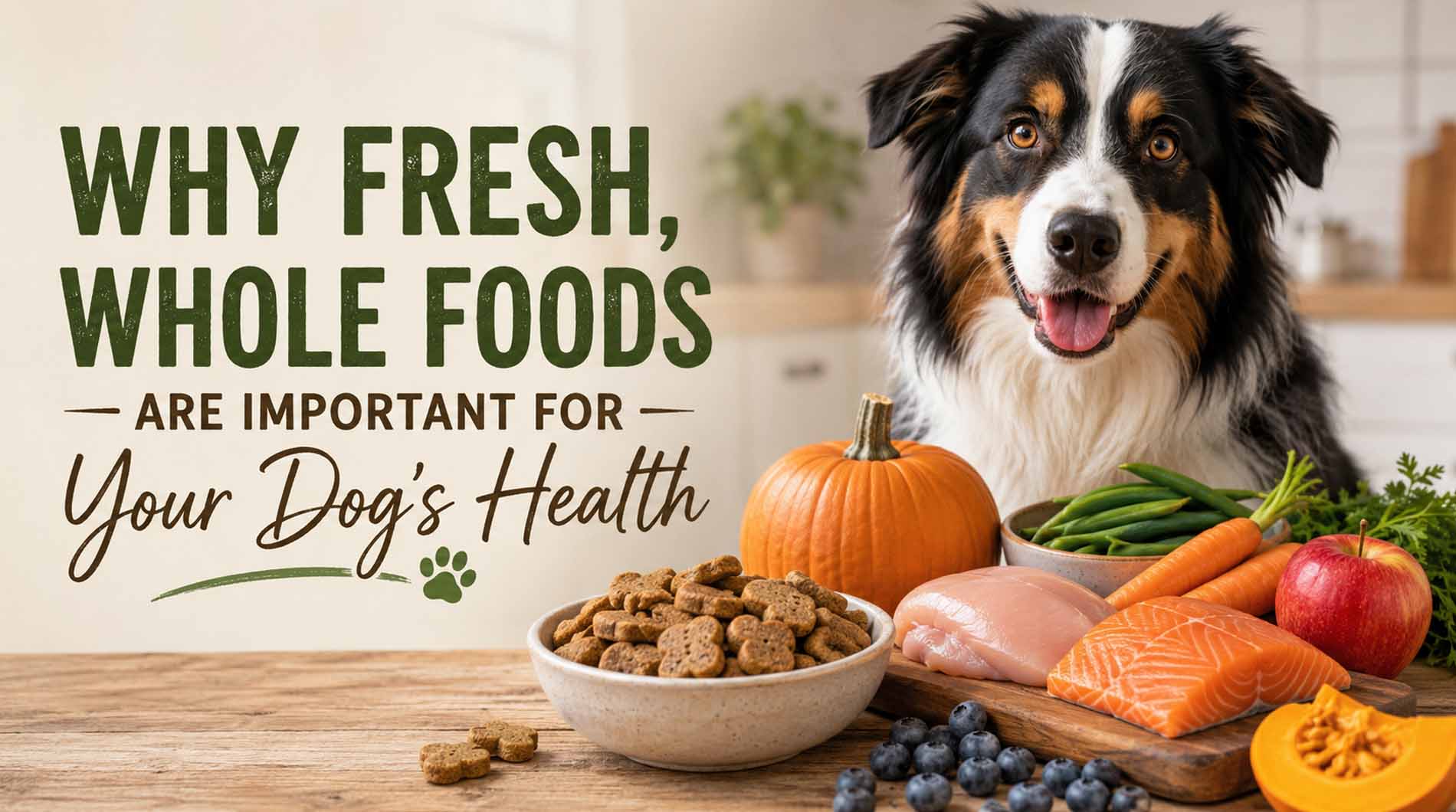
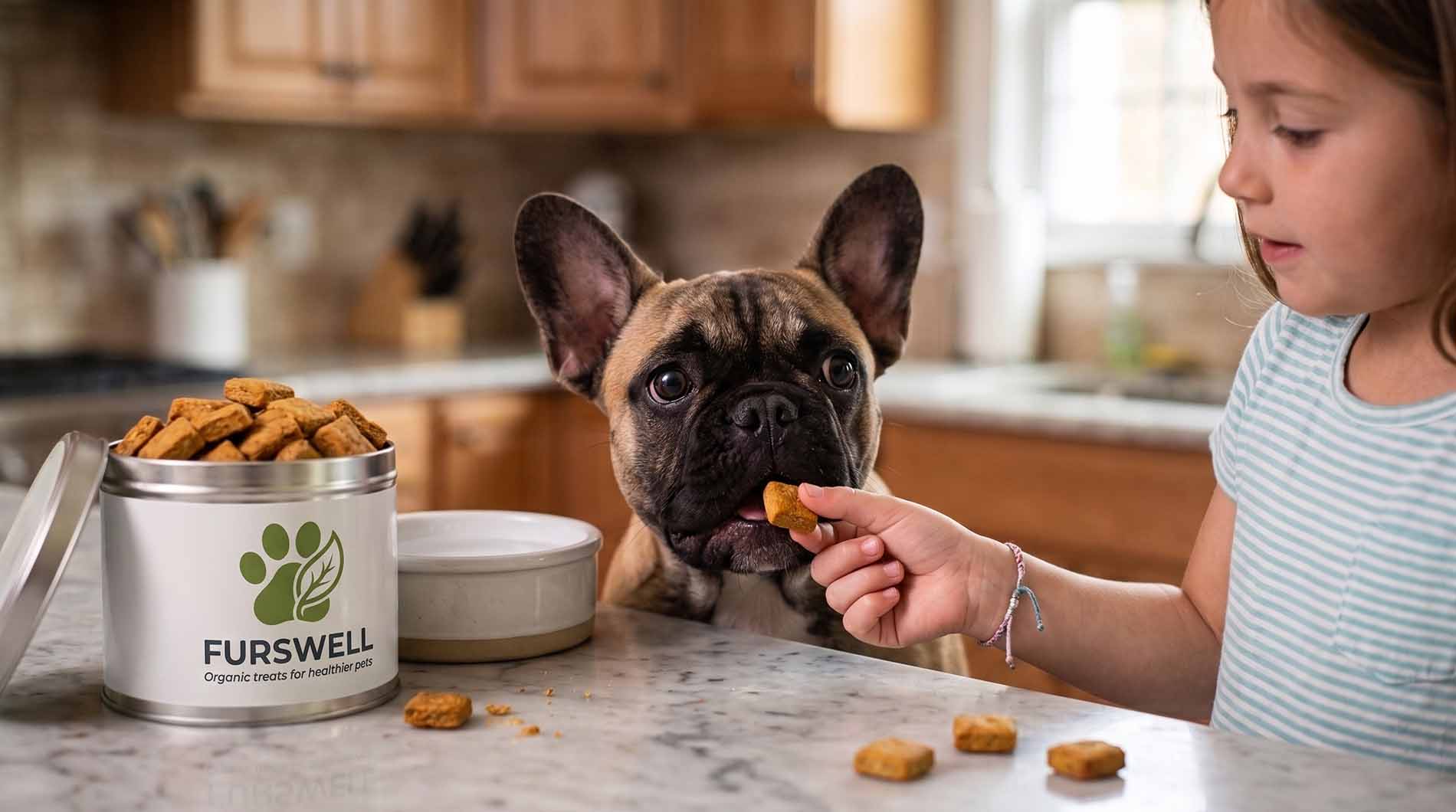
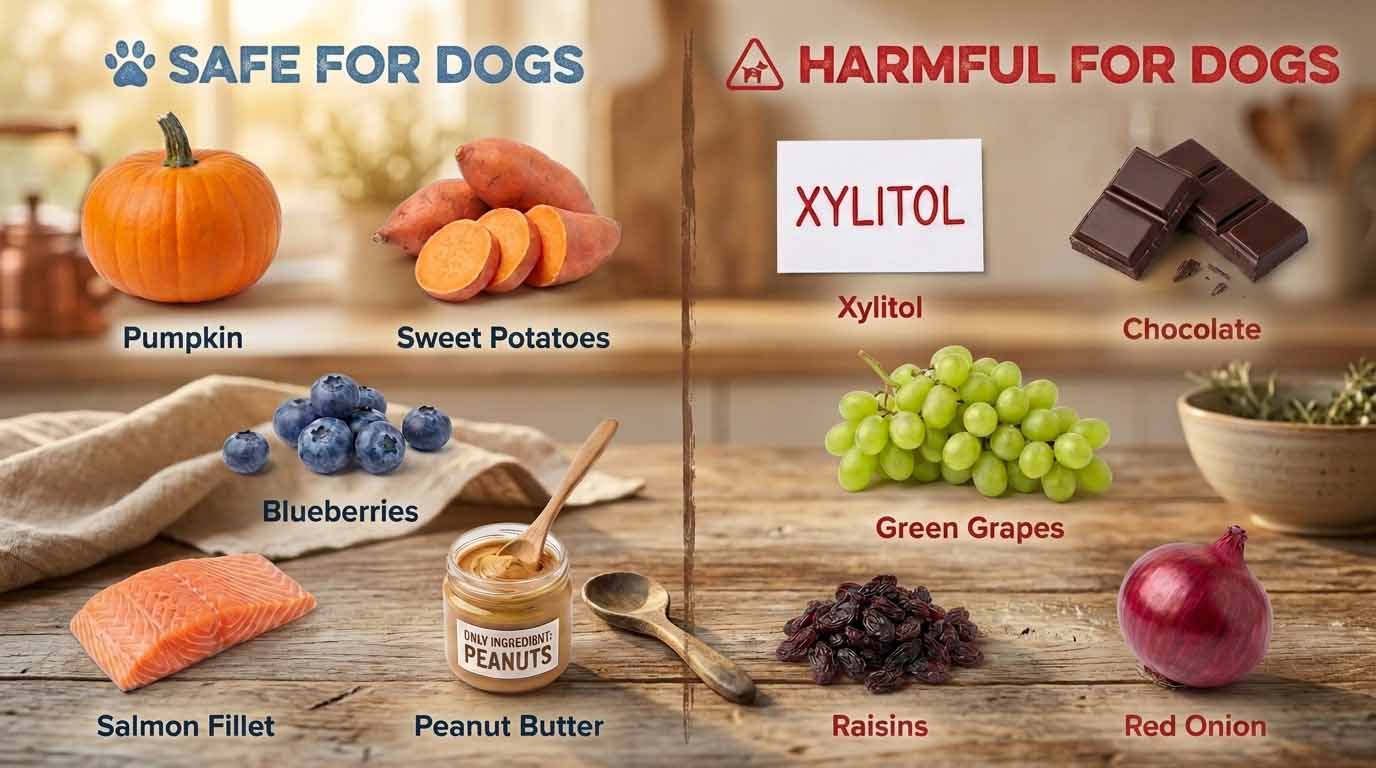
Choosing the right food for your dog can feel overwhelming. Walk down the pet food aisle, and you'll find bags covered with phrases like "natural," "premium," "grain-free," and "made with real meat." While these claims can sound impressive, they don't always tell the full story.
Learning how to read and understand dog food labels can help you make informed decisions about your dog's nutrition. Instead of relying on marketing buzzwords, you'll know what to look for, what questions to ask, and how to compare products with confidence.
Whether you're selecting your dog's daily food or shopping for healthy treats, understanding labels is one of the best ways to support your dog's overall health.
Why Dog Food Labels Matter
A dog food label is much more than attractive packaging. It provides valuable information about what's inside the product, how it should be fed, and who manufactured it.
Reading labels carefully helps you:
- Compare products accurately
- Identify quality ingredients
- Avoid ingredients your dog may be sensitive to
- Choose foods appropriate for your dog's age and activity level
- Understand the nutritional value of what you're feeding
The front of the bag is designed to catch your attention. The ingredient list and nutritional information tell the real story.
Start with the Ingredient List
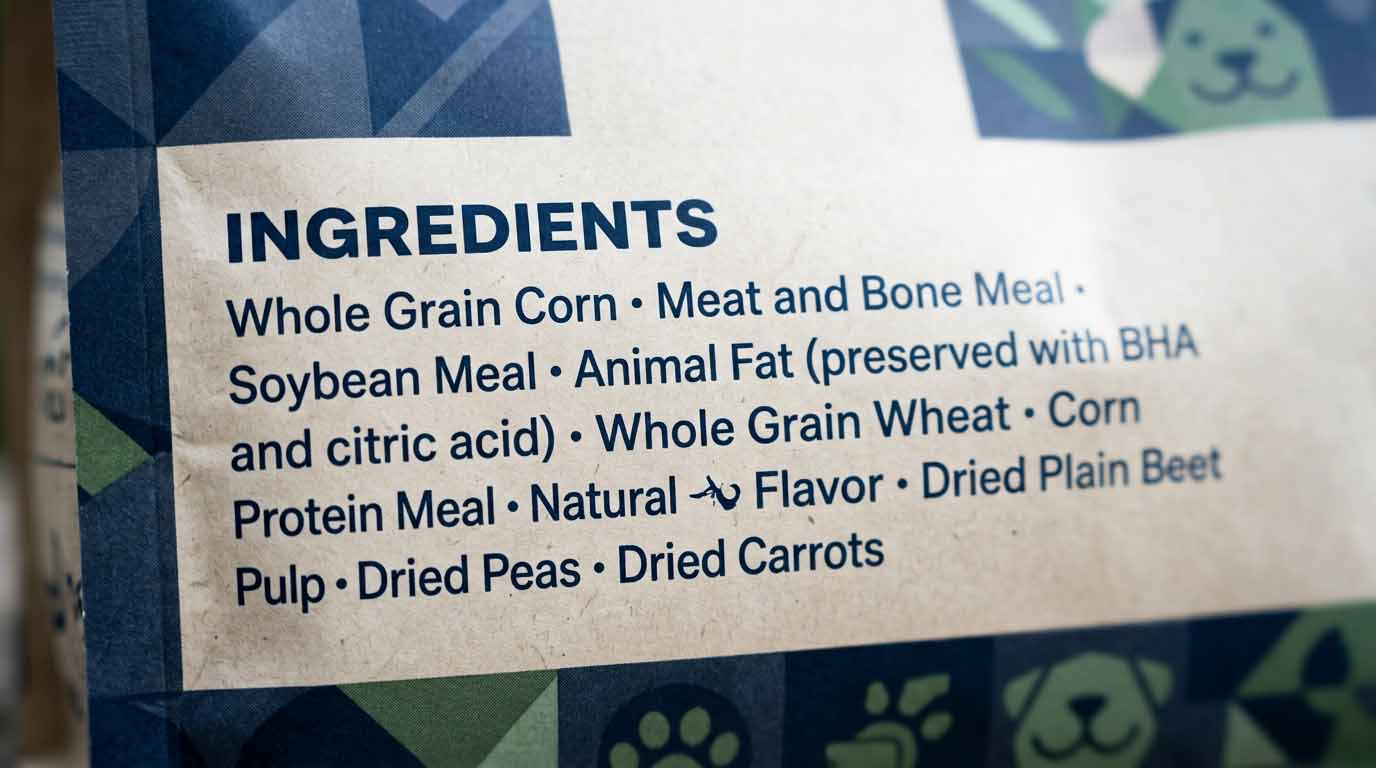
One of the first places dog owners look is the ingredient list. Ingredients are generally listed in descending order by weight before cooking.
If a quality protein source appears near the top of the list, that's generally a positive sign. However, fresh meats contain a significant amount of water, so their position can change after cooking.
Instead of focusing on just the first ingredient, consider the entire recipe.
Ask yourself:
- Are the ingredients recognizable?
- Does the recipe include quality protein?
- Does it contain wholesome fruits or vegetables?
- Are there unnecessary artificial colors or preservatives?
Simple, recognizable ingredients often make it easier to understand exactly what you're feeding your dog.
Understanding Protein Sources
Protein supports muscle maintenance, healthy organs, skin, coat condition, and many other normal body functions.
Common protein sources include:
- Chicken
- Turkey
- Beef
- Salmon
- Lamb
- Whitefish
- Eggs
You may also see meat meals listed as ingredients. Despite the name, meat meals are not automatically lower quality. Because moisture has already been removed, they can provide a concentrated source of protein.
Rather than judging a food based on one ingredient alone, evaluate the recipe as a whole.
Carbohydrates Aren't Always Bad
Carbohydrates often get an unfair reputation.
Healthy carbohydrate sources provide energy and important nutrients.
Examples include:
- Sweet potatoes
- Brown rice
- Oats
- Pumpkin
- Barley
- Peas
Different dogs have different nutritional needs, so there isn't one perfect carbohydrate source for every dog.
Healthy Fats Matter
Healthy fats provide energy and help support healthy skin and a shiny coat.
Look for ingredients like:
- Chicken fat
- Salmon oil
- Fish oil
- Flaxseed
These ingredients often provide omega-3 and omega-6 fatty acids that support overall wellness.
Vitamins and Minerals
Complete and balanced dog foods include vitamins and minerals that help meet nutritional requirements.
Common nutrients include:
- Vitamin A
- Vitamin D
- Vitamin E
- Calcium
- Phosphorus
- Zinc
- Iron
- B Vitamins
These nutrients help support normal growth, bone health, immune function, and many other body systems.
Understanding Common Marketing Terms
Dog food packaging often includes phrases that sound impressive.
Here's what they generally mean.
Natural
The term "natural" usually refers to ingredients derived from plant, animal, or mined sources with minimal synthetic processing. It doesn't automatically mean the product is healthier than every alternative.
Organic
Organic ingredients are produced according to specific agricultural standards. Some products contain organic ingredients, while others may be entirely certified organic.
Grain-Free
Grain-free simply means the recipe doesn't contain grains like wheat, corn, oats, or rice.
It doesn't automatically make a food healthier. Unless recommended by your veterinarian, grain-free diets aren't necessary for most healthy dogs.
Limited Ingredient
Limited ingredient recipes generally contain fewer ingredients and are often selected for dogs with suspected food sensitivities.
Premium
"Premium" is a marketing term without a standardized nutritional definition. Rather than relying on this claim, evaluate the actual ingredient list and nutritional profile.
Don't Forget Feeding Guidelines
Feeding recommendations are helpful starting points, but every dog is different.
Your dog's ideal portion depends on:
- Age
- Breed
- Weight
- Activity level
- Metabolism
- Overall health
Monitor your dog's body condition and consult your veterinarian if you're unsure about the appropriate amount to feed.
Understanding Dog Treat Labels
Treat labels deserve just as much attention as dog food labels.
Look for treats made with:
- Simple, recognizable ingredients
- Quality protein sources
- No unnecessary artificial colors or flavors
- Appropriate calorie content
Treats should complement your dog's diet, not replace balanced meals. As a general guideline, treats should make up no more than about 10% of your dog's daily calorie intake.
Why Simple Ingredients Matter
Many pet owners prefer products made with simple, recognizable ingredients because they're easier to understand.
Choosing treats made with wholesome ingredients can provide peace of mind and make it easier to avoid unnecessary additives.
At Furswell®, we believe rewarding your dog shouldn't require decoding a complicated ingredient list. That's why our handcrafted, small-batch treats are made with simple, carefully selected ingredients you can recognize and trust.
Common Dog Food Label Myths
Myth: Long ingredient lists are always bad.
Not necessarily. Longer lists often include vitamins, minerals, and beneficial nutrients that contribute to balanced nutrition.
Myth: Grain-free is always healthier.
Not for every dog. Nutritional needs vary, and grain-free diets are appropriate only in certain situations.
Myth: Premium means better quality.
The word "premium" isn't regulated as a nutritional standard. Always read the full ingredient list.
Myth: By-products automatically mean poor quality.
The quality of any ingredient depends on sourcing, formulation, and manufacturing—not simply its name.
Tips for Choosing Better Dog Food
When comparing products, remember these guidelines:
- Read beyond the front of the package.
- Review the complete ingredient list.
- Look for quality protein sources.
- Choose foods appropriate for your dog's life stage.
- Compare nutritional information.
- Introduce new foods gradually.
- Consult your veterinarian if your dog has special dietary needs.
Frequently Asked Questions
Should I avoid ingredients I can't pronounce?
Not necessarily. Many vitamins and minerals have scientific names but are essential parts of balanced nutrition.
Is fresh food better than dry food?
Both fresh and dry foods can provide complete nutrition when properly formulated. The best choice depends on your dog's individual needs and your veterinarian's recommendations.
How often should I change my dog's food?
Frequent changes aren't usually necessary unless recommended by your veterinarian or required due to changing nutritional needs.
What should I look for in healthy dog treats?
Choose treats with simple, recognizable ingredients, quality protein sources, and no unnecessary artificial additives. Feed treats in moderation as part of a balanced diet.
Final Thoughts
Understanding dog food labels empowers you to make informed decisions about your dog's nutrition. While marketing claims on the front of the bag can be persuasive, the ingredient list and nutritional information provide the details that matter most.
By learning how to evaluate ingredients, understand common labeling terms, and choose foods made with quality ingredients, you'll be better equipped to support your dog's long-term health.
At Furswell®, we believe every reward should be made with care. That's why our handcrafted, small-batch dog treats are made with simple, wholesome ingredients—because your best friend deserves treats you can feel good about giving.