Why Fresh, Whole Foods is Important For Your Dog’s Health
Posts You May Like
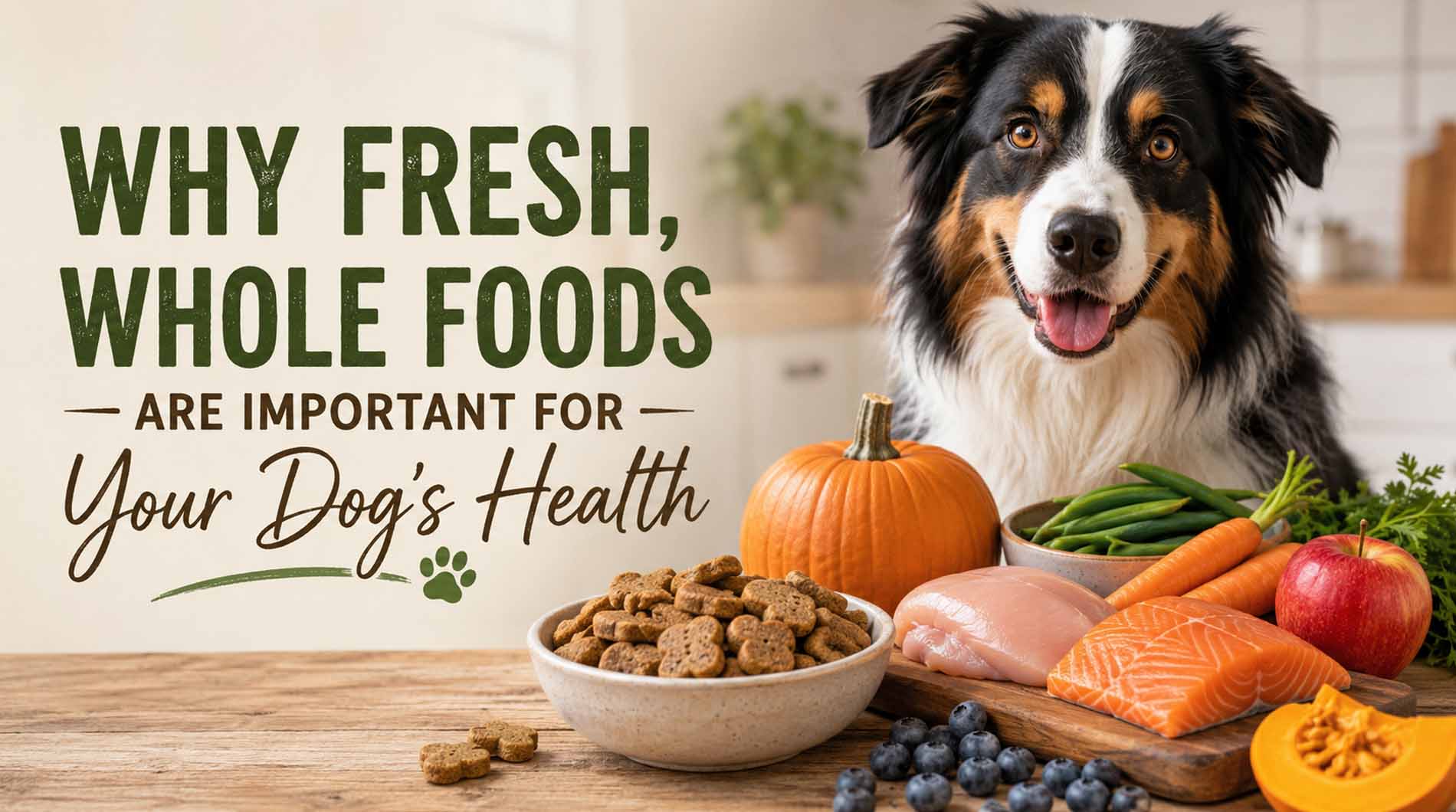
Why Fresh, Whole Foods Are Important for Your Dog's Health
As dog owners, we all want the same thing—a long, happy, healthy life for our four-legged family members. One of the biggest factors that influences your dog's overall health is nutrition. Every meal and every treat provides an opportunity to nourish your dog with ingredients that support their body, mind, and energy levels.
Over the past decade, more pet owners have become interested in fresh, whole foods and simpler ingredient lists. Instead of focusing solely on catchy marketing phrases, they're paying closer attention to what's actually inside the bag. They're reading labels, researching ingredients, and choosing products made with wholesome foods they recognize.
While many commercial dog foods are formulated to provide complete and balanced nutrition, ingredient quality and processing methods can vary. That's why incorporating veterinarian-approved whole foods into your dog's routine and choosing treats made with simple, high-quality ingredients can be a valuable part of supporting your dog's health.
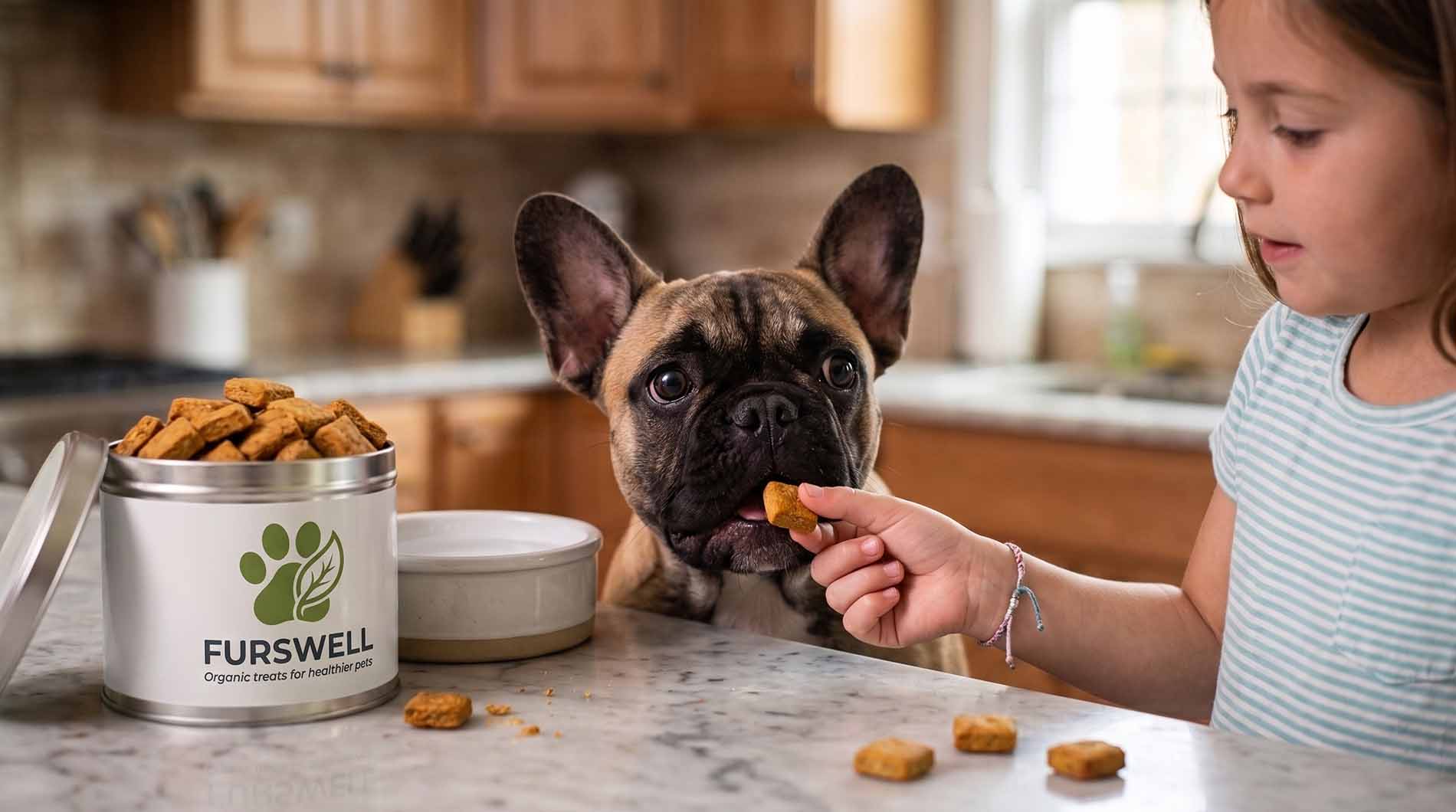
At Furswell®, we believe healthy treats start with wholesome ingredients. We craft our treats in small batches using simple ingredients because we know every reward should be something you feel good about giving.
What Are Whole Foods?
Whole foods are ingredients that remain close to their natural form with minimal processing. They contain naturally occurring vitamins, minerals, fiber, antioxidants, healthy fats, and protein that support your dog's everyday health.
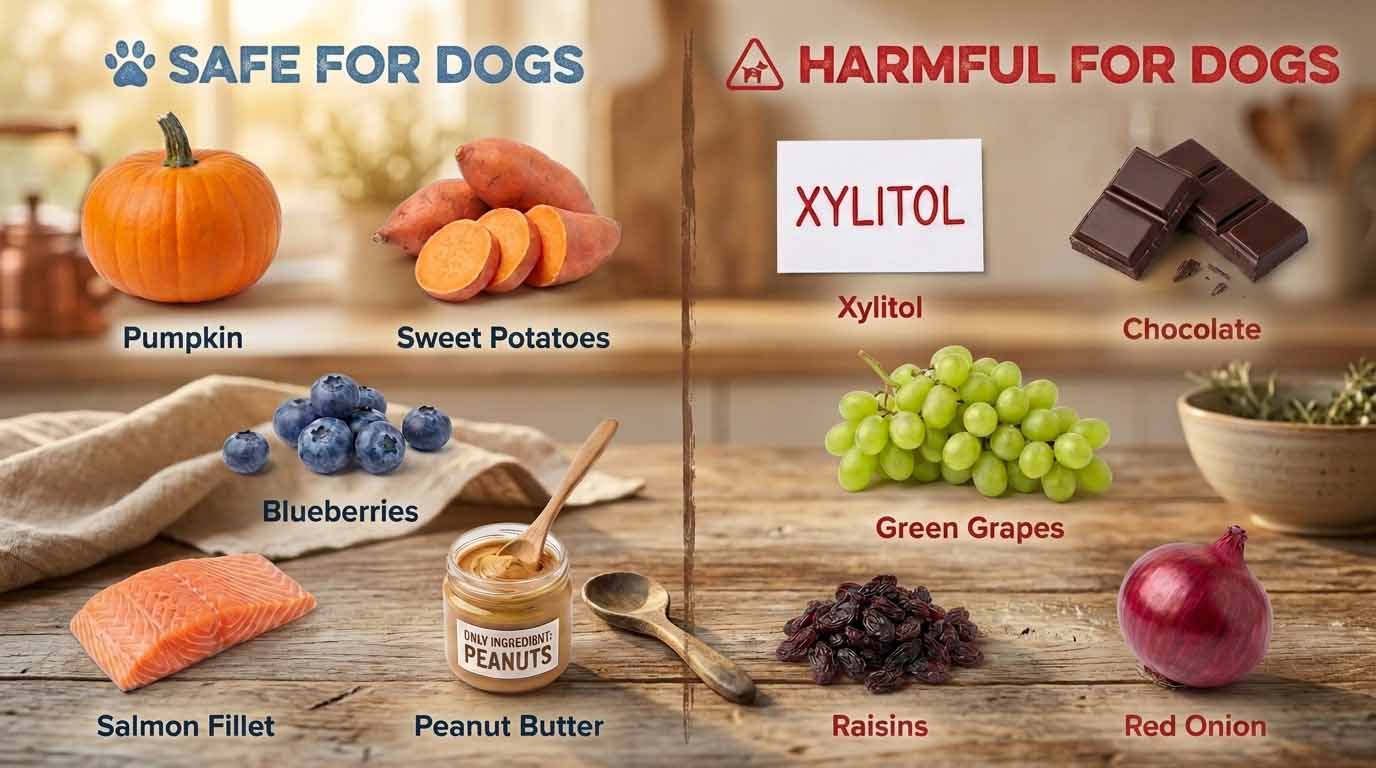
Examples of dog-safe whole foods include:
- Pumpkin
- Sweet potatoes
- Carrots
- Green beans
- Blueberries
- Apples (without seeds)
- Bananas
- Plain cooked chicken
- Plain cooked turkey
- Eggs
- Salmon
- Plain Greek yogurt (in moderation)
Unlike highly processed snacks with lengthy ingredient lists, whole foods are easy to recognize and understand. That transparency gives pet owners confidence in what they're feeding.
Why Ingredient Quality Matters
Not all dog foods and treats are created equal.
The quality of ingredients influences more than taste—it affects the nutritional value of every bite.
High-quality ingredients often provide:
- Better nutritional value
- Natural sources of vitamins and minerals
- Fewer unnecessary additives
- Better ingredient transparency
- Greater peace of mind for pet owners
Rather than choosing products based only on attractive packaging, it's worth taking a closer look at the ingredient list.
Ask yourself:
- Can I recognize these ingredients?
- Does the recipe use quality protein sources?
- Are artificial colors or flavors included?
- Does the ingredient list align with my dog's needs?
Simple doesn't mean less nutritious. In many cases, it means fewer unnecessary ingredients and a greater focus on quality.
1. Supports Healthy Digestion
A healthy digestive system helps your dog absorb nutrients more effectively.
Whole foods that contain natural fiber can help support regular digestion and maintain healthy bowel movements.
Some excellent digestive-supporting foods include:
Pumpkin
Pumpkin is rich in soluble fiber and is commonly used to support healthy digestion. It also provides vitamins A, C, and E along with potassium and antioxidants.
Sweet Potatoes
Sweet potatoes provide dietary fiber and naturally occurring vitamins while serving as a satisfying source of carbohydrates.
Green Beans
Green beans are low in calories and contain fiber that supports digestive health.
2. Provides High-Quality Protein
Protein is essential for nearly every function in your dog's body.
It supports:
- Muscle maintenance
- Healthy growth
- Tissue repair
- Immune function
- Daily energy
Excellent whole-food protein sources include:
- Chicken
- Turkey
- Eggs
- Salmon
- Lean beef (when appropriate)
Quality protein helps active dogs stay strong throughout every stage of life.
3. Supports Healthy Skin and Coat
A shiny coat often reflects good overall nutrition.
Healthy fats found in foods like salmon, fish oil, flaxseed, and eggs provide omega fatty acids that support normal skin health and coat condition.
Benefits include:
- Softer coats
- Healthy skin
- Reduced dryness
- Natural shine
4. Provides Natural Vitamins and Minerals
Whole foods naturally contain essential nutrients.
For example:
Carrots
- Vitamin A
- Beta-carotene
Blueberries
- Antioxidants
- Vitamin C
- Fiber
Pumpkin
- Potassium
- Vitamin A
- Fiber
Eggs
- Protein
- Vitamin D
- Selenium
Rather than relying solely on synthetic additives, whole foods naturally contribute valuable nutrients.
5. Supports Immune Health
Your dog's immune system relies on proper nutrition.
Whole foods rich in antioxidants, vitamins, and minerals help support normal immune function.
Examples include:
- Blueberries
- Pumpkin
- Spinach (in moderation)
- Carrots
These ingredients help provide nutrients that contribute to overall wellness.
6. Healthy Treats Make Training Better
Treats aren't just snacks.
They're one of the most valuable training tools you can use.
Choosing wholesome treats means every reward contributes to positive experiences while supporting your dog's overall nutrition.
Healthy treats help reinforce:
- Basic obedience
- Recall
- Leash manners
- Socialization
- Confidence
At Furswell®, our small-batch treats are designed to be both rewarding and made with ingredients you can feel good about.
Whole Foods Dogs Can Safely Enjoy
Many fresh foods make excellent occasional treats.
Fruits
- Blueberries
- Apples (without seeds)
- Bananas
- Strawberries
- Watermelon (seedless)
Vegetables
- Pumpkin
- Carrots
- Green beans
- Cucumbers
- Sweet potatoes
Proteins
- Chicken
- Turkey
- Eggs
- Salmon
Always introduce new foods gradually and feed them in appropriate portions.
Foods Dogs Should Never Eat
Not every human food is safe.
Avoid:
- Chocolate
- Grapes
- Raisins
- Onions
- Garlic
- Macadamia nuts
- Alcohol
- Xylitol
- Excessively fatty foods
- Cooked bones
If you're uncertain about an ingredient, consult your veterinarian before feeding it.
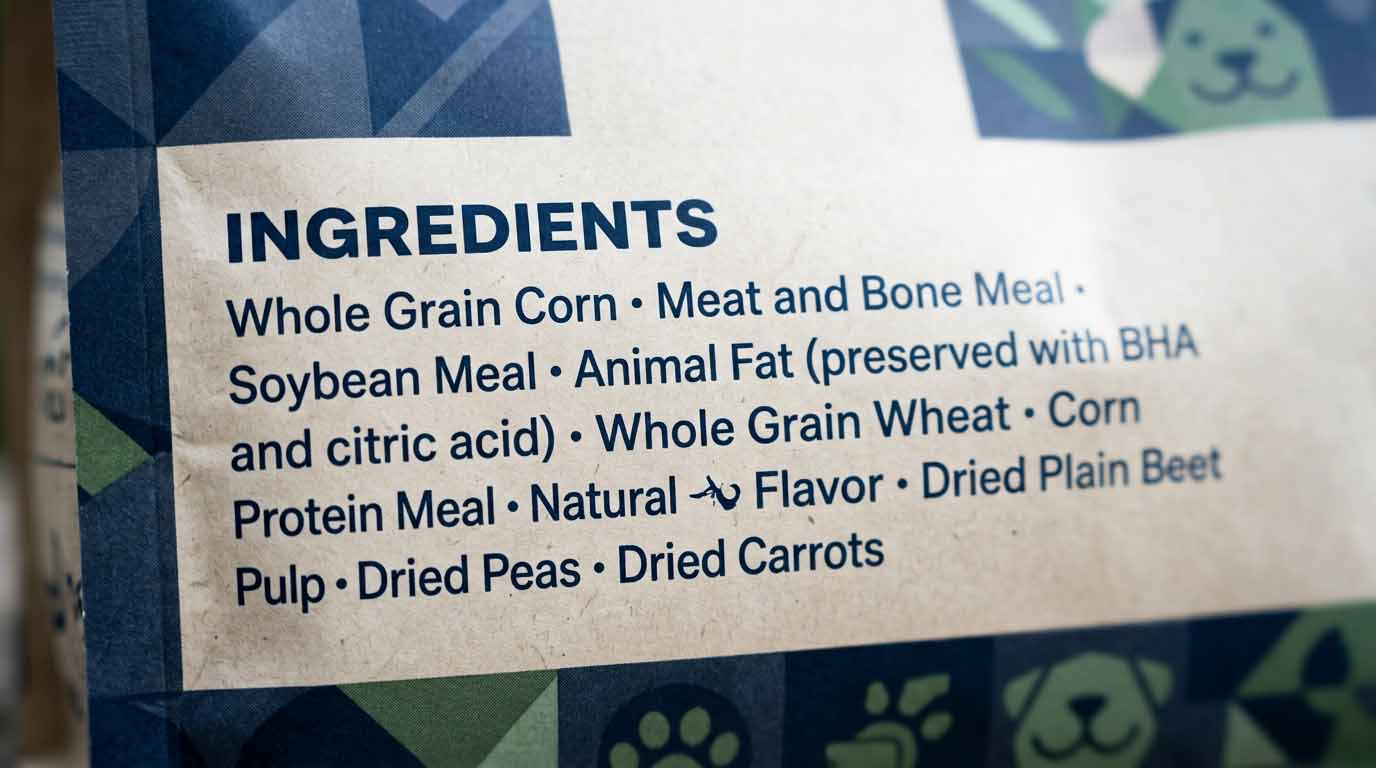
Reading Ingredient Labels
Learning to read labels helps you make informed choices.
Look for:
✔ Recognizable ingredients
✔ Quality protein sources
✔ No artificial colors
✔ No unnecessary preservatives
✔ Recipes appropriate for your dog's life stage
Remember, the front of the package is marketing. The ingredient panel tells the real story.
Fresh Foods and Commercial Dog Food
Fresh, whole foods can be an excellent addition to many dogs' diets, but they should complement—not replace—a complete and balanced diet unless your veterinarian recommends otherwise.
If you're considering homemade meals or major dietary changes, work with your veterinarian or a board-certified veterinary nutritionist to ensure your dog's nutritional needs are fully met.
Why Furswell® Chooses Simple Ingredients
At Furswell®, we believe pet owners deserve to know exactly what they're feeding their dogs.
That's why our handcrafted treats are made in small batches using simple, carefully selected ingredients.
We focus on:
- Small-batch production
- Simple recipes
- Wholesome ingredients
- Quality craftsmanship
- Honest ingredient transparency
Whether you're rewarding good behavior, celebrating a birthday, or simply sharing a special moment, Furswell® treats are made with care from start to finish.
Frequently Asked Questions
Are fresh foods healthier than processed treats?
Fresh, minimally processed ingredients can provide natural nutrients and greater ingredient transparency. The right choice depends on your dog's overall diet, health, and nutritional needs.
Can dogs eat human food?
Many whole foods are safe for dogs, while others can be harmful. Always verify that a food is dog-safe before offering it, and introduce new foods gradually.
Should I stop feeding kibble?
Many commercial kibbles are formulated to be complete and balanced. If you're considering changing your dog's primary diet, consult your veterinarian to determine the best option for your dog's age, health, and lifestyle.
What makes a healthy dog treat?
Look for treats with simple, recognizable ingredients, quality protein sources, and no unnecessary artificial colors, flavors, or preservatives. Treats should be fed in moderation and complement a balanced diet.
Final Thoughts
Good nutrition is one of the greatest gifts you can give your dog. By focusing on fresh, whole foods, reading ingredient labels, and choosing treats made with simple, wholesome ingredients, you can make informed decisions that support your dog's health and happiness.
Every dog is unique, but one principle remains the same: quality ingredients matter. Whether you're rewarding good behavior, enhancing training, or simply sharing a special moment, choosing thoughtfully made treats is one more way to care for your best friend.
At Furswell®, we're committed to crafting small-batch dog treats made with simple, wholesome ingredients because every tail wag deserves a treat made with care.