10 Human Foods Dogs Can Safely Eat
Posts You May Like
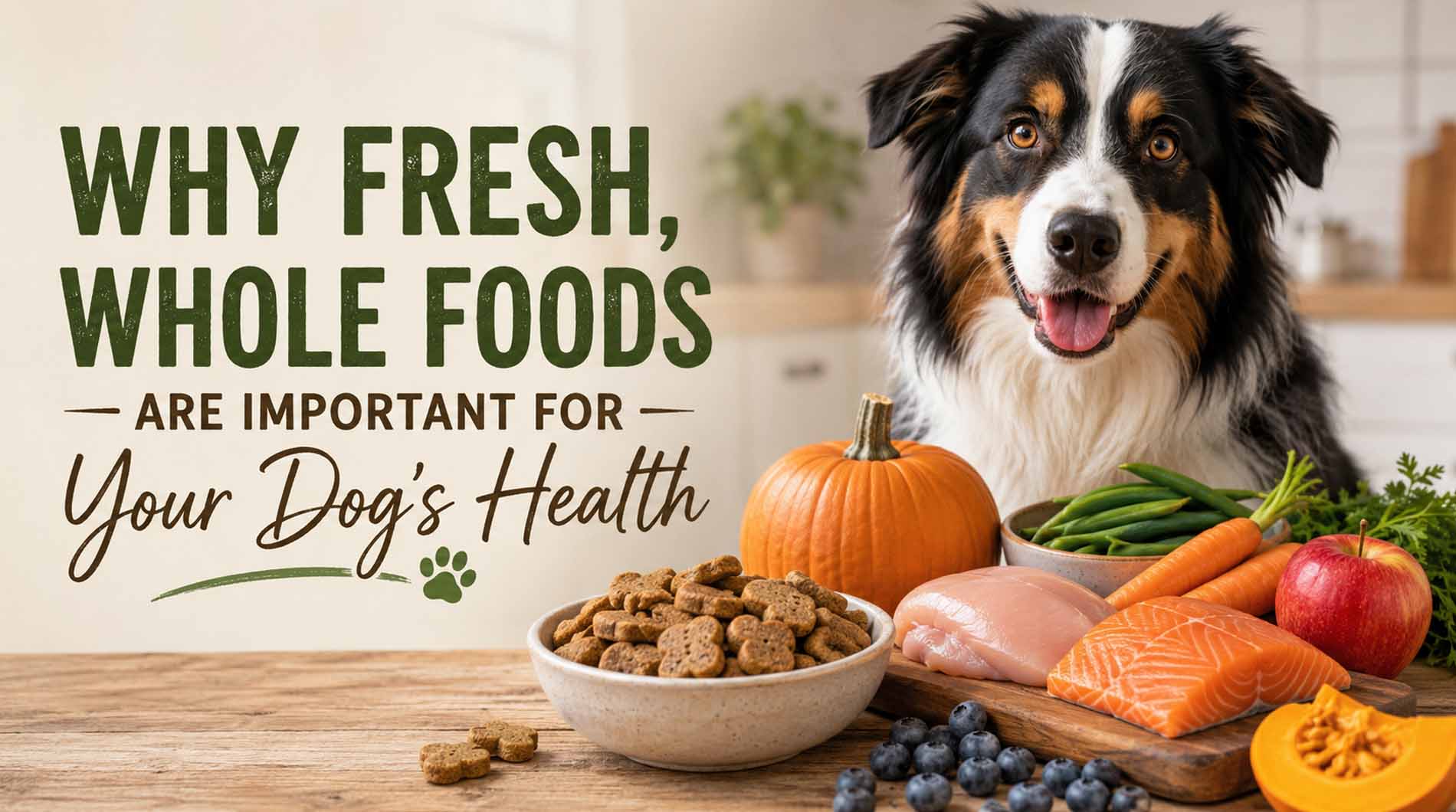
10 Human Foods Dogs Can Safely Eat
Meta Title: 10 Human Foods Dogs Can Safely Eat | Furswell®
Meta Description: Discover 10 human foods dogs can safely eat, their health benefits, and important feeding tips. Learn how to choose healthy, wholesome foods for your dog.
As dog owners, we all want to share life's little moments with our furry companions—including the occasional snack. But before slipping your dog a bite from your plate, it's important to know which human foods are safe and which can be harmful.
The good news is that many fresh, whole foods can be healthy additions to your dog's diet when served in moderation. These foods can provide vitamins, minerals, fiber, antioxidants, and healthy fats that support your dog's overall well-being.
Here are 10 human foods dogs can safely eat and why they can be a healthy choice.
1. Pumpkin
Pumpkin is one of the healthiest foods you can offer your dog. It's naturally rich in fiber, which helps support healthy digestion and regular bowel movements. Pumpkin also contains vitamins A, C, and E, along with potassium and antioxidants.
Serve plain, cooked pumpkin or 100% pure pumpkin puree. Avoid pumpkin pie filling, which often contains added sugar and spices.
Benefits:
- Supports healthy digestion
- High in fiber
- Rich in vitamins and antioxidants
- Low in calories
2. Carrots
Carrots are a crunchy, nutritious snack that many dogs enjoy. They're packed with beta-carotene, which the body converts into vitamin A to support eye health and immune function.
Their crunchy texture may also help reduce plaque buildup during chewing.
Benefits:
- Excellent source of vitamin A
- Low-calorie treat
- Crunchy texture dogs love
- Contains fiber
3. Blueberries
Blueberries are often called a superfood—and for good reason. They're loaded with antioxidants that help protect cells from everyday oxidative stress.
They also provide vitamin C, vitamin K, and fiber.
Benefits:
- Rich in antioxidants
- Supports overall wellness
- Low in calories
- Great training treat
4. Apples
Apples are a refreshing snack that contains fiber, vitamin C, and antioxidants. Always remove the core and seeds before feeding, as apple seeds contain compounds that can be harmful if consumed in large amounts.
Benefits:
- Good source of fiber
- Supports digestive health
- Naturally sweet
- Rich in vitamin C
5. Sweet Potatoes
Sweet potatoes are full of fiber, vitamins A and C, and complex carbohydrates that provide lasting energy.
Serve them cooked and plain without butter, sugar, or seasonings.
Benefits:
- Supports digestion
- Rich in vitamins
- Great source of fiber
- Easy to digest
6. Green Beans
Green beans are low in calories but high in vitamins, minerals, and fiber, making them an excellent snack for many dogs.
Serve fresh, steamed, or cooked without added salt or seasoning.
Benefits:
- Low-calorie snack
- Rich in fiber
- Contains vitamins A, C, and K
- Supports healthy weight management when used as a treat
7. Plain Cooked Chicken
Chicken is an excellent source of lean protein that supports muscle maintenance and everyday activity.
Feed plain, cooked chicken without skin, bones, or seasonings.
Benefits:
- High-quality protein
- Supports muscle health
- Easy to digest
- Great for training rewards
8. Salmon
Cooked salmon provides omega-3 fatty acids, which support healthy skin, a shiny coat, and normal brain function.
Never feed raw salmon, and always remove bones.
Benefits:
- Rich in omega-3 fatty acids
- Supports skin and coat health
- Excellent protein source
- Provides essential nutrients
9. Eggs
Cooked eggs are highly digestible and packed with protein, healthy fats, vitamins, and minerals.
Serve fully cooked eggs without butter or seasoning.
Benefits:
- Excellent protein source
- Rich in vitamins
- Supports healthy muscles
- Nutritious snack
10. Plain Peanut Butter
Most dogs love peanut butter. It provides protein, healthy fats, and vitamin E.
Always check the label carefully and ensure it contains no xylitol, an artificial sweetener that is highly toxic to dogs.
Benefits:
- Great training reward
- Source of healthy fats
- Contains protein
- Dogs love the flavor
Foods Dogs Should Never Eat
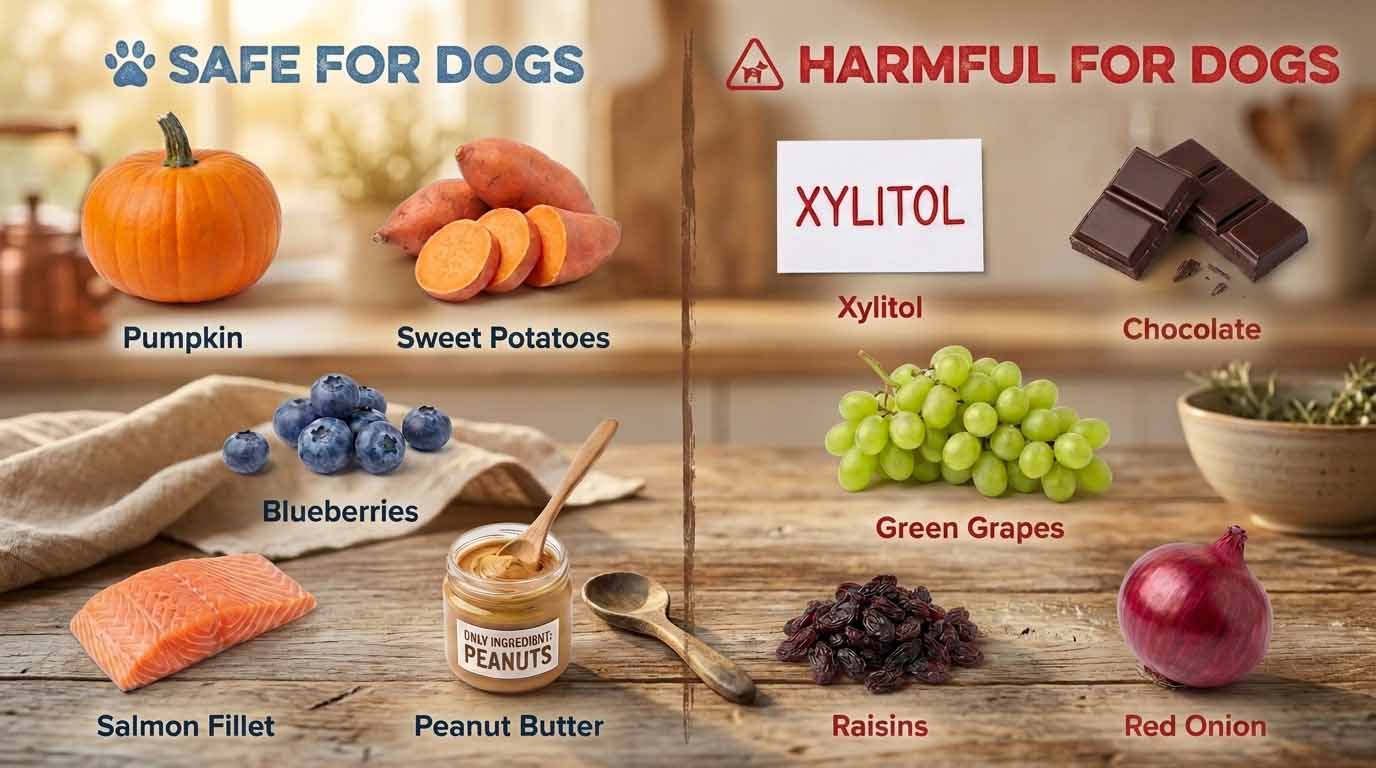
While many human foods are safe, others can be dangerous. Avoid feeding your dog:
- Chocolate
- Grapes
- Raisins
- Onions
- Garlic
- Macadamia nuts
- Alcohol
- Foods containing xylitol
- Excessively fatty foods
- Cooked bones
If you're unsure whether a food is safe, consult your veterinarian before offering it to your dog.
Tips for Feeding Human Foods Safely
- Introduce new foods gradually.
- Feed human foods in moderation.
- Wash fruits and vegetables thoroughly.
- Remove seeds, pits, and cores when necessary.
- Avoid added salt, sugar, butter, and seasonings.
- Cut foods into bite-sized pieces appropriate for your dog's size.
- Treats and extras should generally make up no more than 10% of your dog's daily calories.
Choosing Healthy Treats
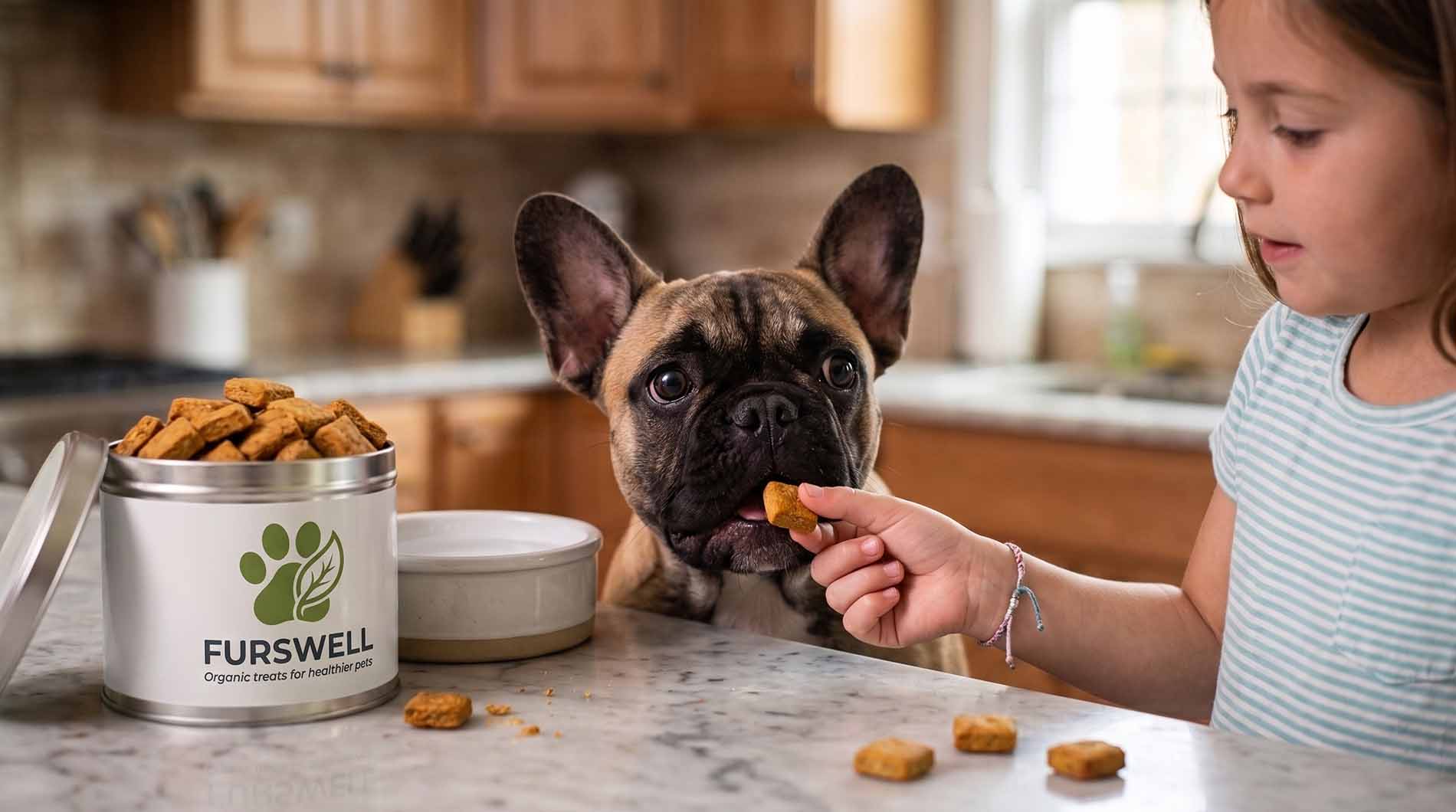
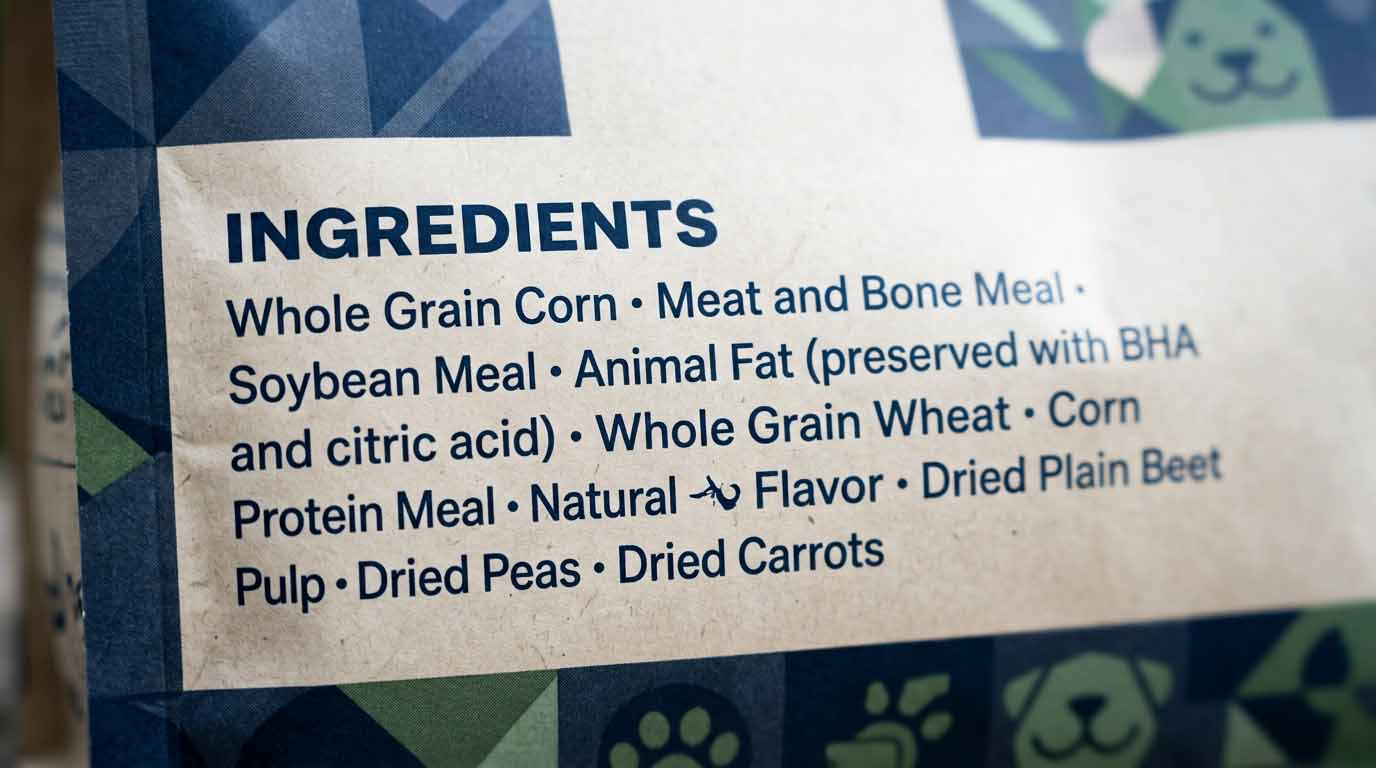
Fresh foods can be a wonderful addition to your dog's routine, but choosing high-quality treats is just as important. Look for treats made with simple, recognizable ingredients and avoid unnecessary artificial colors, flavors, and preservatives.
At Furswell®, we believe rewarding your dog should be simple. That's why our handcrafted treats are made in small batches using wholesome ingredients you can recognize and trust.
Final Thoughts
Many human foods can be a healthy and enjoyable part of your dog's diet when fed responsibly. Pumpkin, carrots, blueberries, apples, sweet potatoes, green beans, chicken, salmon, eggs, and xylitol-free peanut butter all provide valuable nutrients while adding variety to your dog's routine.
By choosing wholesome foods and high-quality treats, you're helping support your dog's health while creating rewarding moments you'll both enjoy.
Always introduce new foods gradually, feed them in moderation, and consult your veterinarian if your dog has special dietary needs or health concerns.